

Best App for Due Date Budgeting for Paychecks
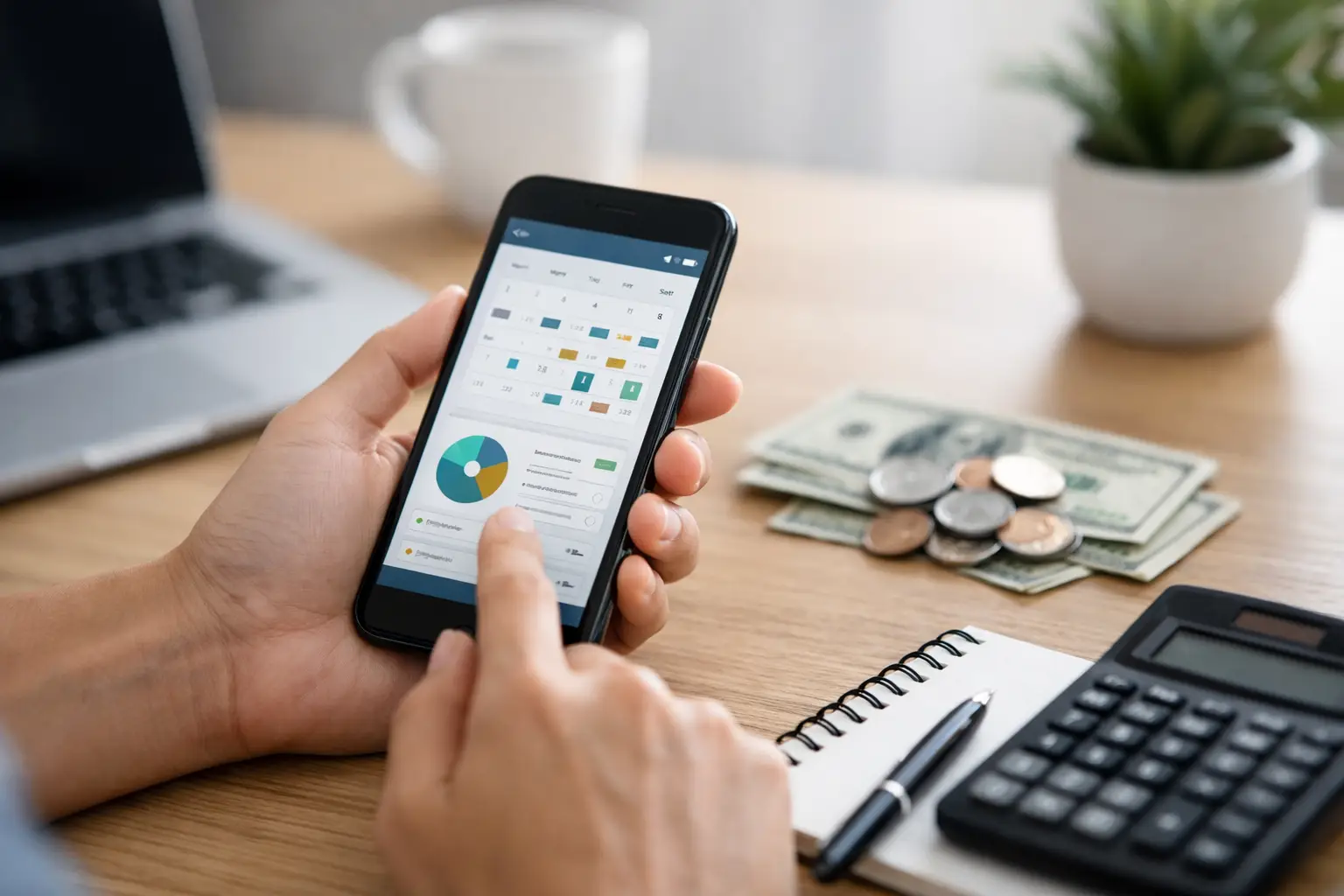
A bill can be affordable for the month and still cause a problem on Tuesday. That is the gap the best app for due date budgeting should solve. If your rent, insurance, debt payments, and utilities arrive on different dates than your paychecks, you need more than a record of what you spent. You need to know what each incoming paycheck is already responsible for.
For many households, the stress is not simply about spending too much. It is about timing. Money lands in the account, a few bills are due, groceries are needed, and another payment is waiting next week. A useful budgeting app turns that sequence into a plan before payday, so you can make decisions with the full picture in front of you.
What due date budgeting should actually do
Due date budgeting organizes money around when it arrives and when it must leave. Instead of setting one monthly number for housing, food, or debt, it assigns each bill to the paycheck that needs to cover it.
That distinction matters. A monthly budget may tell you that you have enough for a $180 utility bill. A due date budget tells you whether the money must be set aside from the paycheck on the 3rd or can wait for the paycheck on the 17th. It also shows what remains after upcoming obligations are protected.
The right app should answer a few practical questions quickly: Which bills need this paycheck? How much is safe to use before the next payday? Is there room for an extra debt payment or savings contribution? If the answer requires scrolling through transactions, guessing at account balances, or doing math in a notes app, the system is not doing enough of the work.
The best app for due date budgeting starts with paydays
Look for an app that lets you enter real income dates and amounts, including weekly, biweekly, semimonthly, or irregular pay schedules. Your plan should adjust to the way you are paid, not force your finances into a calendar month that does not match your cash flow.
A strong paycheck-based system uses upcoming income as the starting point. From there, it places bills and debt payments according to their due dates. You should be able to see the next few paychecks and what each one needs to cover without reconstructing the plan every time you are paid.
This is especially useful for households with uneven timing. Maybe one partner is paid every other Friday while the other is paid on the 1st and 15th. Maybe overtime changes one check from the next. The app should make those differences visible and let you update income without breaking the rest of the plan.
It should protect bills before showing available money
An account balance is not the same as money available to spend. If you have $900 in checking but $650 is needed for rent, insurance, and a credit card payment before the next payday, only a portion of that balance is truly flexible.
The best budgeting tools separate planned obligations from spending money. They reserve what is needed for bills with upcoming due dates, then show a clear amount for everyday life. This is where a weekly living buffer is valuable. Rather than seeing one large number and hoping it lasts, you can see what is reasonable for groceries, gas, and personal spending until more income arrives.
That buffer should be realistic, not restrictive. If your household spends more on fuel during a long commute week or needs extra groceries before a holiday, you should be able to adjust the plan and immediately see the trade-off. Clear planning is not about pretending every week is identical. It is about making changes before they become surprises.
Choose planning over transaction reports
Many budget apps are built around bank connections and spending categories. They pull in transactions, sort purchases, and show charts after money has already moved. That can be useful for spotting habits, but it does not always prevent a due-date problem.
Transaction tracking answers, “Where did my money go?” Due date budgeting answers, “What must my money do next?” If bill timing is your biggest challenge, the second question is more urgent.
A planning-first app should let you enter bills manually, set their amounts and due dates, and decide which paycheck pays them. It should also make recurring obligations easy to manage, including bills that change slightly from month to month. Manual entry takes a little setup, but it gives you control over the plan and avoids relying on a bank feed that can be delayed, incomplete, or confusing.
For privacy-conscious users, no bank connection can be a meaningful advantage. You do not need to share account credentials to build a useful financial plan. Your income schedule, bill dates, debt balances, and spending limits are enough to create a forward-looking system.
Debt and savings need a place in the same plan
A due date budgeting app should not treat debt payoff and savings as separate projects that begin only after everything else is perfect. They need to fit inside the paycheck plan.
Start with required minimum payments. The app should show which paycheck covers each minimum and make it difficult to accidentally spend money that is already committed. Then, when a paycheck has room after bills and living costs, the app should help you direct the surplus intentionally.
That surplus can go toward the highest-interest debt, the smallest balance, a starter emergency fund, or a specific savings goal. The right choice depends on your situation. High-interest credit card debt often deserves urgency, while a thin cash cushion can make it harder to stay out of debt after an unexpected expense. A good plan lets you see both priorities and choose without losing track of the next bill due.
Planara is designed around this workflow: organize paychecks and due dates first, protect weekly spending money, then direct the remaining dollars toward debt payoff or savings in the plan.
Shared households need shared visibility
When two people manage the same bills, a budget cannot live only in one person’s head. A useful app should give both partners a clear view of upcoming income, due dates, and the money reserved for essentials.
Shared visibility does not mean every purchase needs to be debated. It means both people can see the plan before making a decision that affects it. If one partner pays the phone bill and the other buys groceries, the household should still have one answer to the question, “What can we safely spend this week?”
Look for an approach that keeps the plan simple enough to review together. A ten-minute check-in before payday is more sustainable than a complicated spreadsheet that only one person understands. The goal is fewer money surprises and fewer conversations that begin after a bill has already cleared.
Questions to ask before choosing an app
The best fit depends on how you manage money now and what causes the most friction. Before committing, test whether the app can handle your actual situation, not an idealized version of it.
Ask whether it supports your pay frequency, lets you set and adjust bill due dates, and shows what each paycheck must cover. Check whether it separates reserved bill money from safe-to-spend money. If debt payoff is a priority, confirm that it helps you plan extra payments rather than merely listing balances. If you share finances, consider whether both people can follow the same plan without duplicate work.
Also consider the setup experience. Entering your bills, debts, income, and savings goals takes effort once. That effort should produce a plan you can use repeatedly, not another dashboard you have to maintain every day. The best tool reduces decisions at payday instead of creating a new financial chore.
A free tier can be enough if you primarily need bill organization and household visibility. Paid planning features are worth considering when you want projections, debt payoff strategies, savings allocation, or a clearer view of future paychecks. Choose based on the decisions you need help making, not the number of charts an app offers.
Build confidence one paycheck at a time
Due date budgeting works when it becomes your default routine. Before each payday, confirm expected income, review bills due before the next check, protect your living buffer, and assign any remaining money a job. That is a short process, but it changes the question from “Can I afford this?” to “Does this fit the plan?”
You do not need a perfect month to get control. You need a clear next paycheck, protected due dates, and a practical amount to live on until the next one. Start there, and let each payday make the next decision easier.