

Best Budget by Paycheck App Features
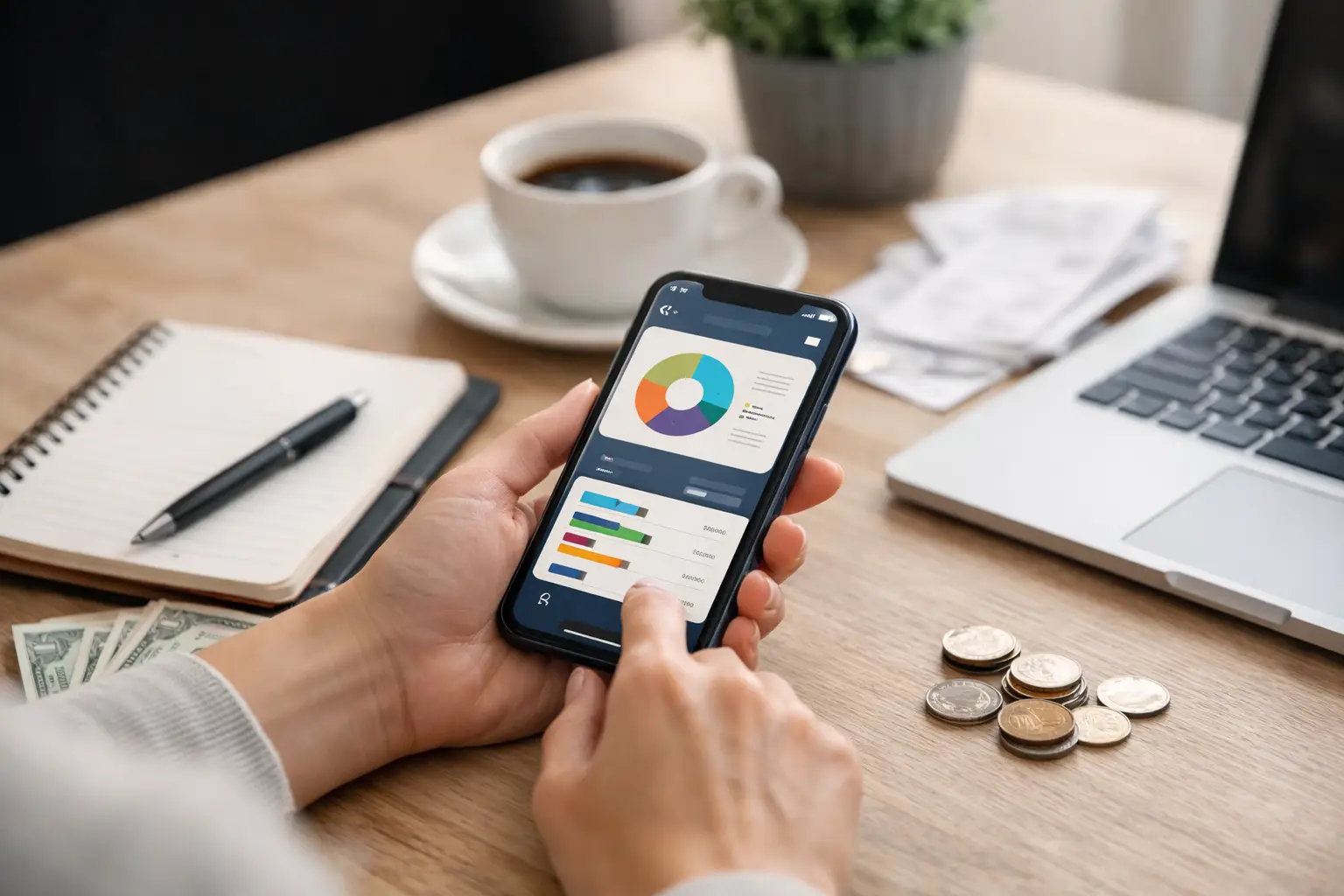
If your bills are due on the 3rd, 12th, and 28th, but your paychecks land every other Friday, a monthly budget can feel like the wrong tool for the job. A budget by paycheck app is built for that gap. Instead of asking what you spent last month, it helps you decide what this next paycheck needs to do before the money arrives.
That difference matters more than most people realize. For households managing rent, utilities, groceries, debt payments, and uneven timing between paydays, the real problem usually is not awareness. It is sequencing. You may know exactly what your bills are. The stress comes from figuring out which paycheck covers what, how much is safe to spend this week, and whether anything is left to put toward debt or savings.
A paycheck planning app should reduce that stress, not add more charts and noise. The best ones give you a clear plan for each incoming check, help you stay ahead of due dates, and make trade-offs visible before they become emergencies.
What a budget by paycheck app should actually do
At a minimum, a budget by paycheck app should organize income by pay date and match that income to upcoming obligations. That sounds simple, but it is where many budgeting tools fall short. Traditional apps often start with categories, transaction feeds, and monthly totals. Those can be useful for tracking behavior, but they do not always answer the question people ask most often on a Wednesday night: Can this paycheck cover everything due before the next one?
A paycheck-based system should answer that directly. When you enter your income schedule, bill due dates, and regular expenses, the app should map those items against upcoming paychecks in a way that is easy to follow. You should be able to open the plan and see what each check is responsible for, what remains after essentials, and what amount is safe for weekly spending.
That clarity is especially important if your income is tight or timing is unpredictable. Even a household with decent earnings can feel behind when bills cluster earlier than paydays. A good app helps you manage timing, not just totals.
Key budget by paycheck app features to look for
The first feature to look for is paycheck assignment. This is the core of the system. If the app does not let you plan around actual pay dates, it is not really solving the problem. You want to see each upcoming paycheck and the bills, living expenses, and goals tied to it.
The second is bill scheduling by due date. Due dates are what create pressure, so they need to be central to the plan. An app that only shows monthly category limits may leave you guessing about whether the electric bill and car payment are covered before your next deposit hits.
The third is a protected spending buffer. This matters because most people do not need a plan that allocates every dollar with zero margin. They need a realistic amount for food, gas, and day-to-day spending between now and the next payday. The strongest apps build that into the plan so you are not accidentally using bill money for weekly life.
Debt planning is another feature worth paying attention to. Plenty of budgeting tools let you record debt balances. Fewer help you decide when extra money can safely go toward those balances without disrupting your next round of bills. If debt payoff is one of your goals, the app should make surplus visible only after essentials are covered.
Savings planning matters too, but it should work the same way. Saving is easier when the amount is tied to a specific paycheck and a real timeline. General savings categories are fine. Assigned savings contributions are better.
Finally, shared visibility can be a major advantage for couples or households managing money together. If one person pays rent and the other covers groceries or childcare, a clear paycheck plan helps everyone work from the same numbers. Less guessing usually means fewer money arguments.
Why many budgeting apps still feel frustrating
A lot of apps are designed around bank syncing and transaction review. That approach can be convenient, but convenience is not the same as planning. If an app mostly tells you where your money went after the fact, it may help with awareness while still leaving you uncertain about what to do next.
That is why some users feel organized but not in control. They see colorful spending reports, but they still do mental math before every purchase. They still wonder which bills are covered by this check. They still wait for payday to feel temporary relief instead of lasting structure.
There is also a privacy trade-off. Some people do not want to connect bank accounts or hand over more financial data than necessary. A manual planning system can take a little more setup at first, but it often creates stronger understanding because you are building the plan intentionally. For many households, that is a worthwhile exchange.
Who benefits most from a paycheck planning app
This kind of app is especially useful for people who live close to the edge between pay periods, but it is not only for households in crisis. It is also valuable for anyone whose cash flow timing creates friction.
If you are paid biweekly, you already know the problem. Most bills are monthly, but your income rhythm is not. Some months feel manageable. Others feel compressed. A paycheck-based plan smooths that out by assigning obligations to the checks that arrive before they are due.
Hourly workers and variable-income households can also benefit, though the planning needs to be flexible. The best setup is one that lets you project expected income conservatively, then adjust as real numbers come in. That is not perfect certainty, but it is still better than reacting late.
Couples often get value from this structure because it turns money management into a shared operating plan instead of a set of assumptions. Everyone can see what is coming, what has already been covered, and what cannot be spent yet.
How to choose the right budget by paycheck app
Start with the planning model. Does the app actually center your pay schedule, or does it mostly track transactions inside a monthly budget shell? That distinction is the whole decision.
Next, look at how it handles obligations. You want bills with due dates, not just categories. You also want the ability to account for recurring expenses that are easy to forget, such as subscriptions, insurance drafts, or school costs.
Then check how it treats spending money. A useful app should help you set a safe weekly amount after bills are assigned. If it cannot tell you what is available between now and your next paycheck, you may still end up guessing.
After that, consider whether the app supports forward planning for debt and savings. This is where a stronger system can create momentum. Once essentials are mapped, the app should show what surplus can do next, whether that means faster debt payoff, building a cushion, or both.
Privacy and setup style are worth weighing as well. Some users prefer automatic imports. Others prefer a cleaner, more private system without bank connections. Neither choice is universally better. It depends on whether your priority is passive tracking or active planning.
If you want a more structured, privacy-first way to plan money before payday, Planara is built around that exact job. The focus is not on watching transactions after they happen. It is on assigning each paycheck with purpose before spending starts.
The real test: does it lower decision fatigue?
A good budgeting tool should make everyday money decisions easier. That is the standard that matters most. Not how many reports it offers. Not how polished the dashboard looks. Whether it reduces the number of times you have to stop and ask, Can I afford this right now?
When a budget by paycheck app works well, your money stops feeling like one blurred total. Each paycheck has a role. Bills have coverage. Weekly spending has a limit you can trust. Debt payoff and savings stop being vague intentions and start becoming scheduled moves.
That does not mean every month will feel easy. Tight cash flow is still tight cash flow. But structure changes the experience. It gives you fewer surprises, fewer last-minute transfers, and fewer decisions made under pressure.
The best app will not just help you record financial life. It will help you run it with more calm. And for most households managing real bills on real pay schedules, that is the difference that counts.